

VIBRAM FIVEFINGERS
Toe Shoes
CITY, RUNNING, TRAIL, GYM AND WATER SPORTS
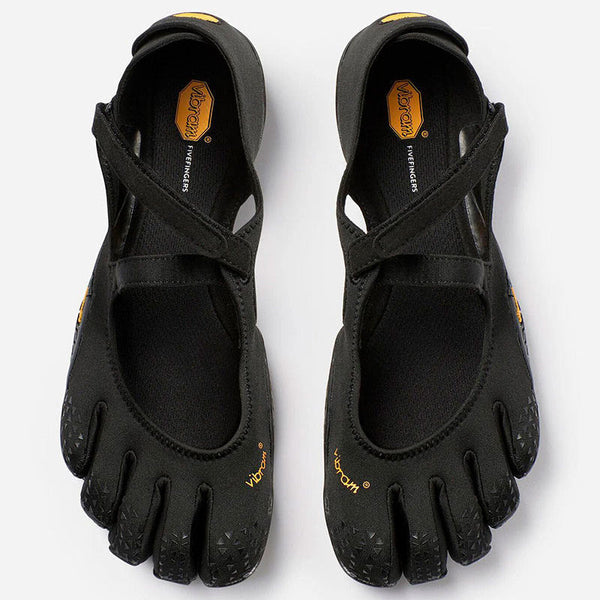
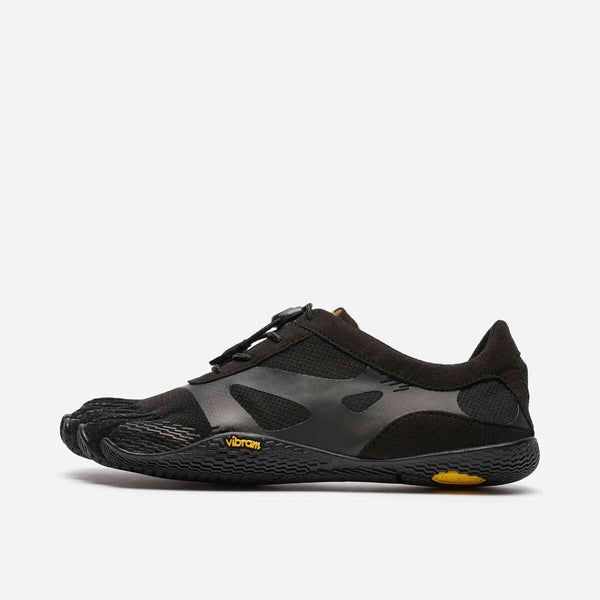
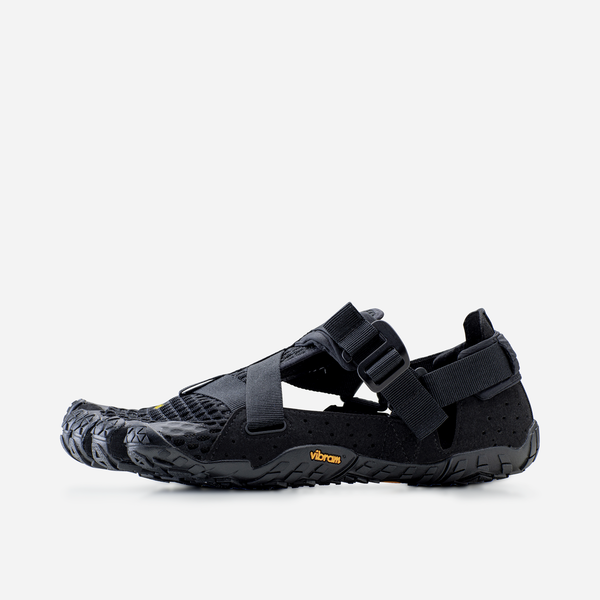
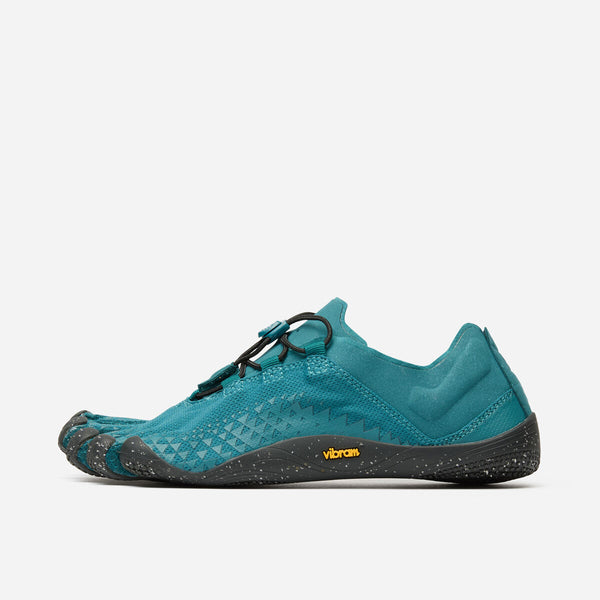
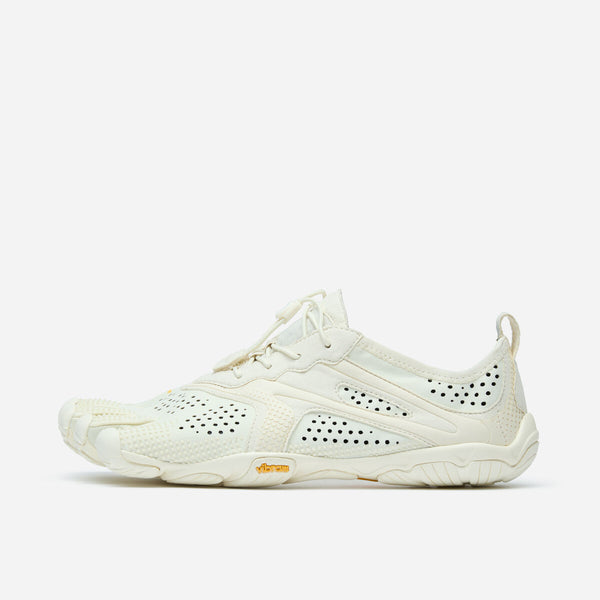
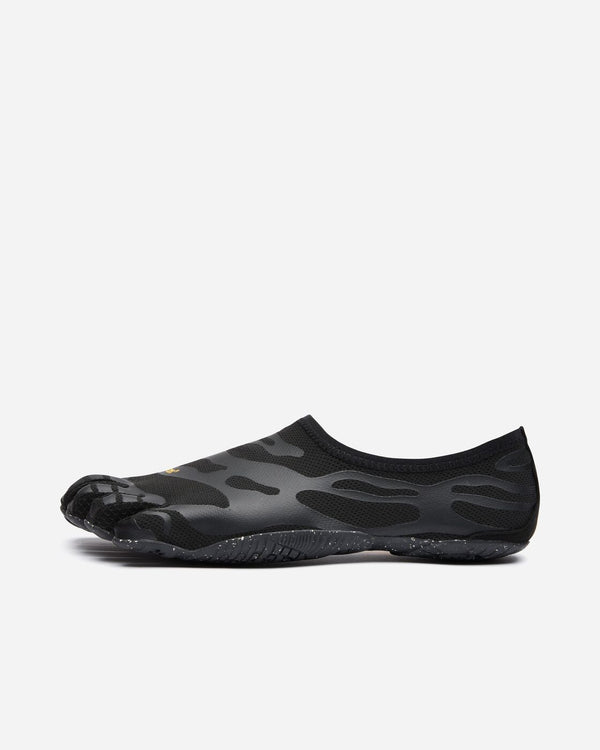
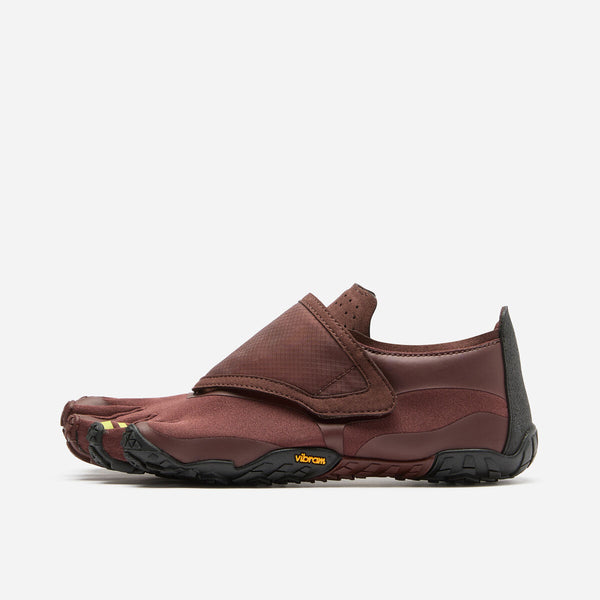
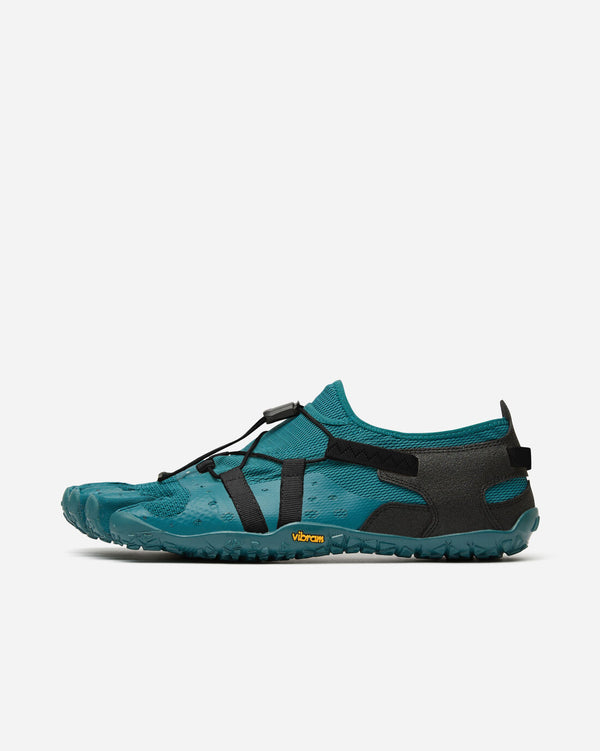
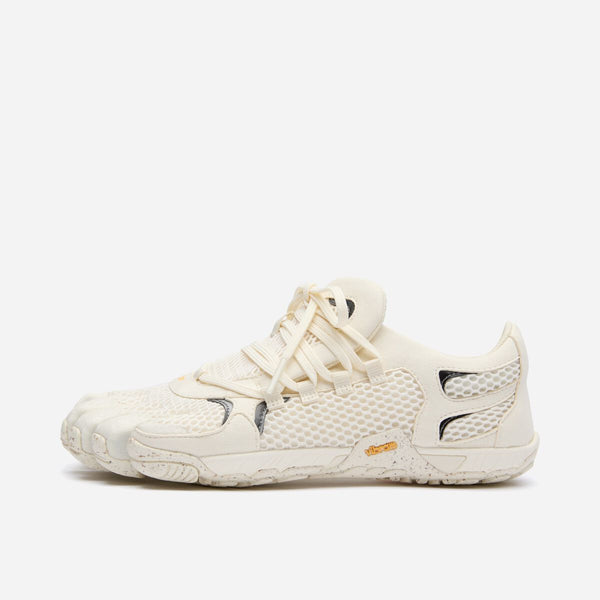
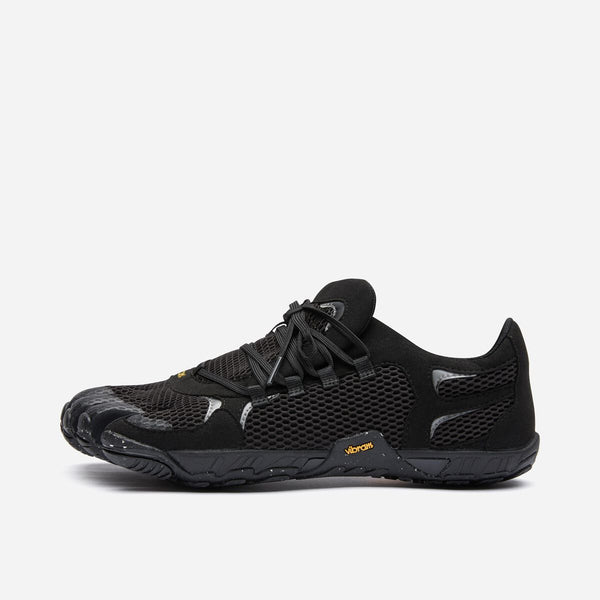
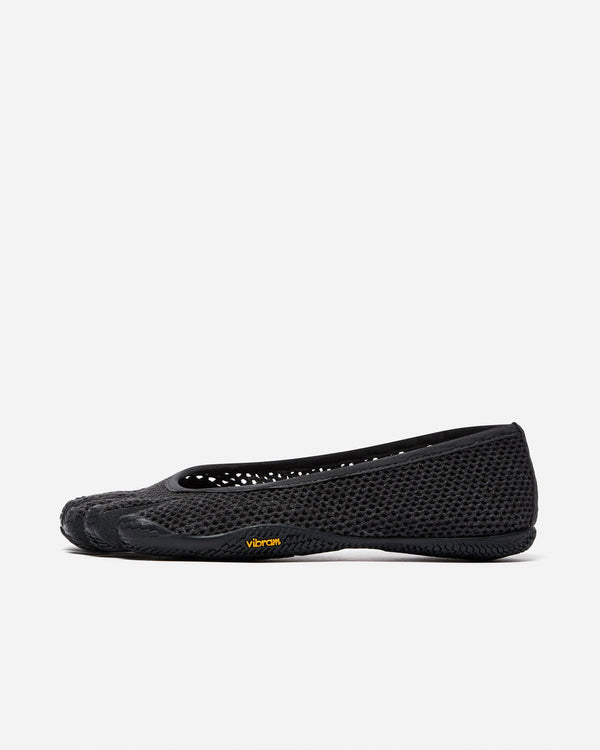
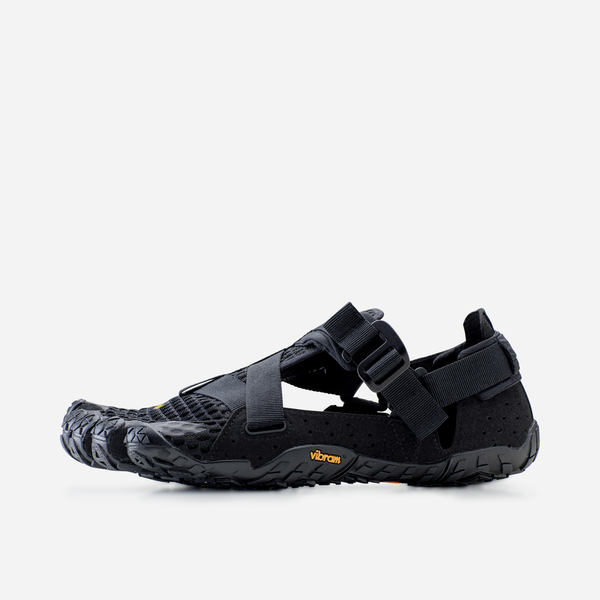
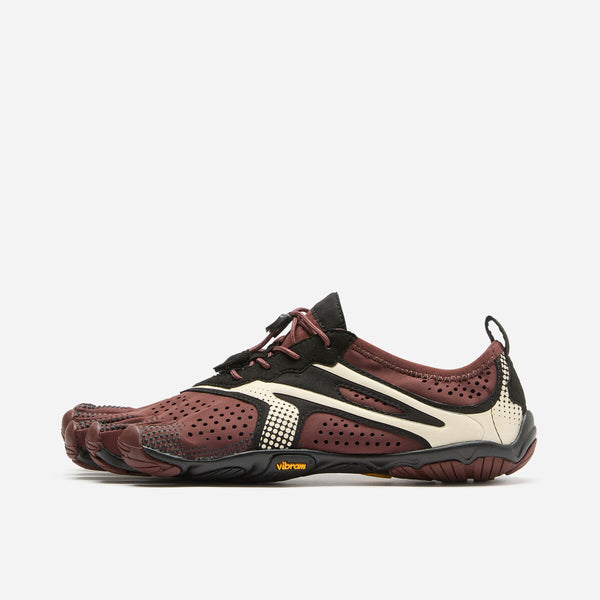
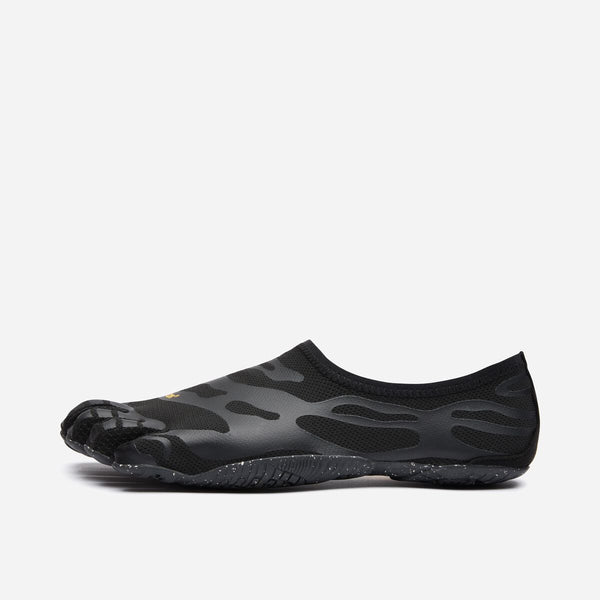
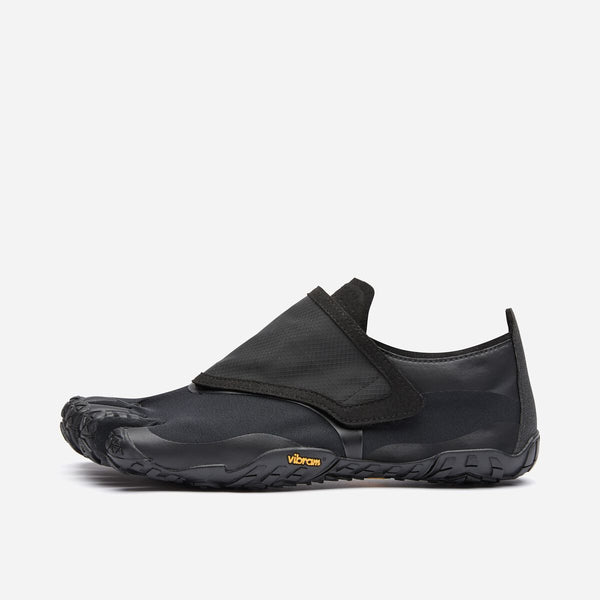
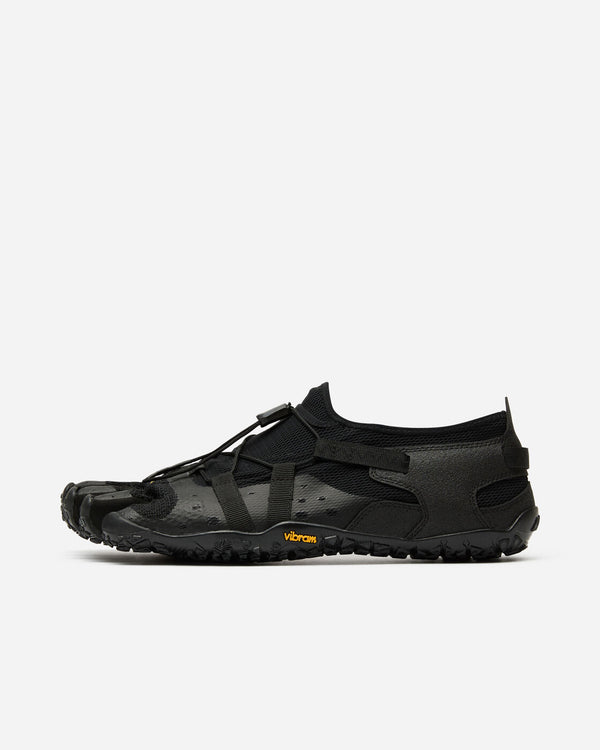
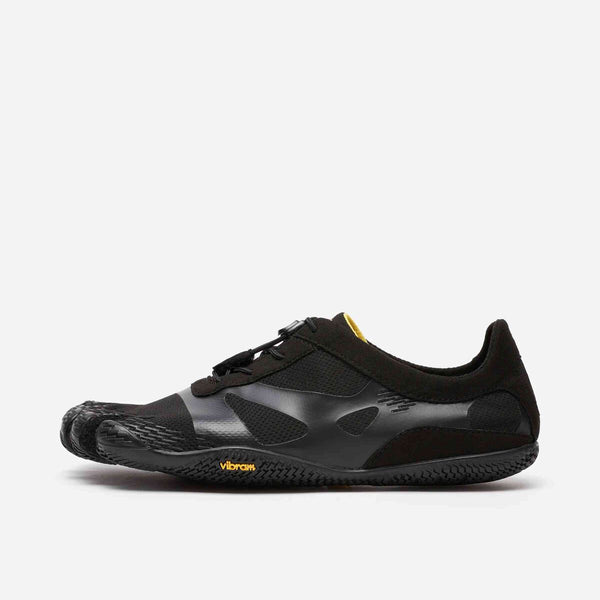
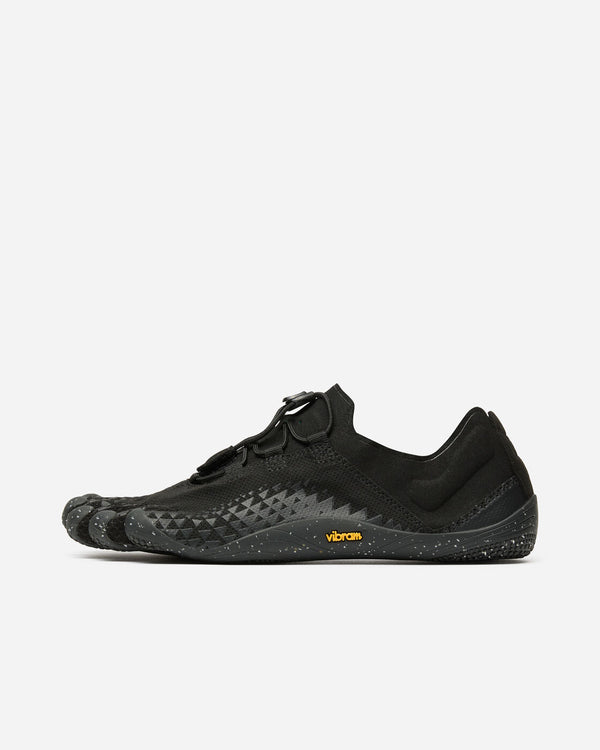
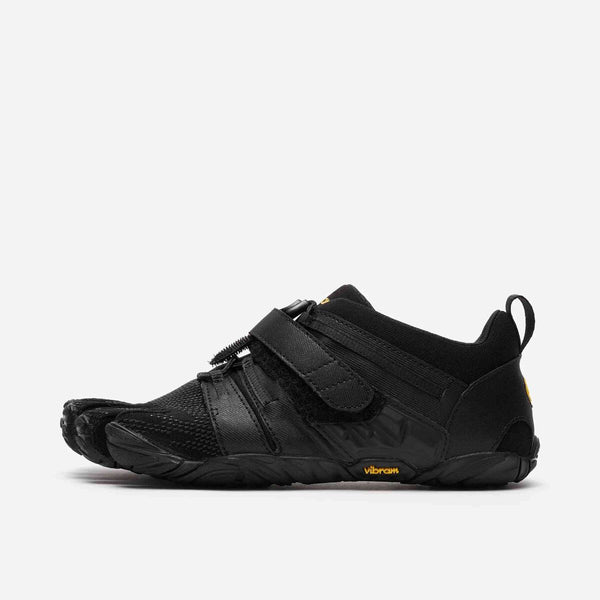
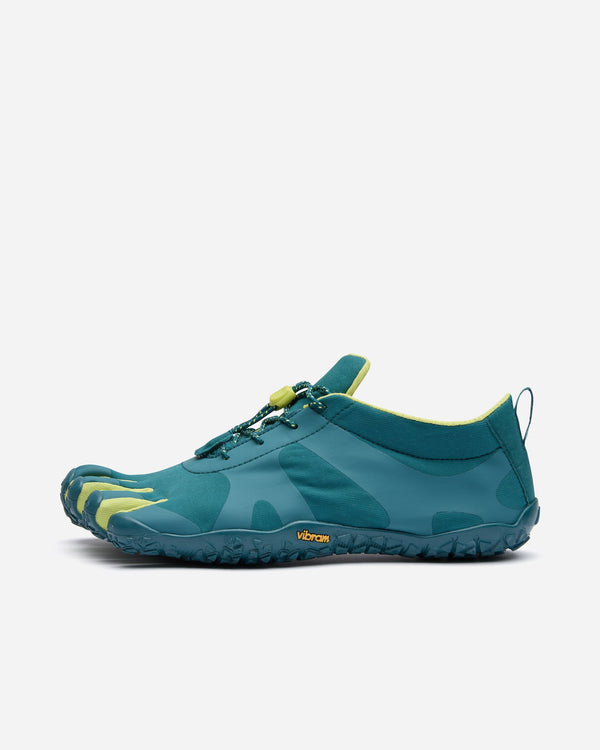
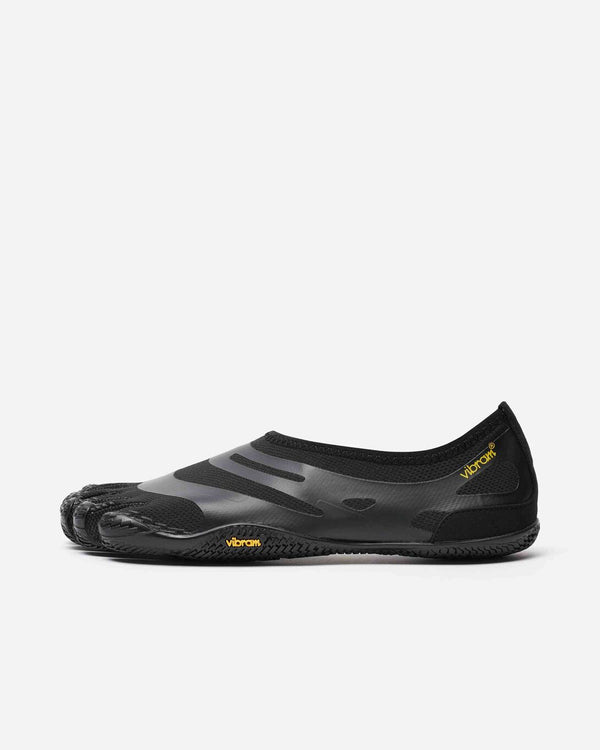
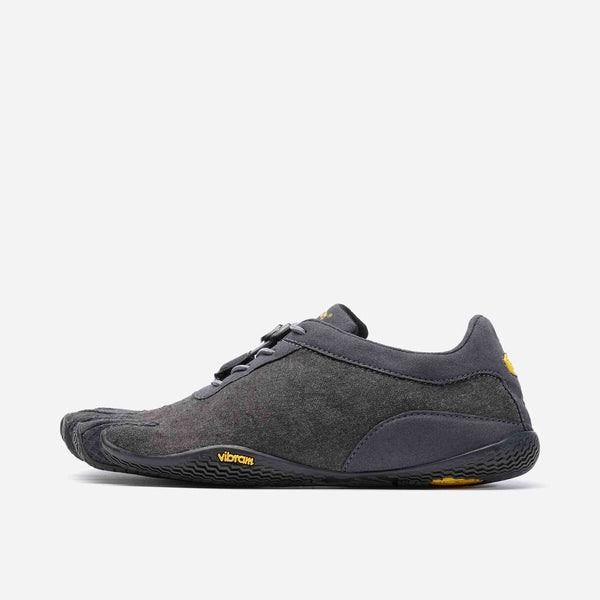
A toe shoe fits each toe into its own compartment, like a glove for the foot. A sole just a few millimeters thick, zero drop between the heel and forefoot: you feel the ground, and your toes get to work.
What Is a Toe Shoe
The idea starts from something simple: the foot works better when you let it work. Vibram, an Italian sole manufacturer since 1937, launched the first FiveFingers in 2005 and created the category. The toe shoe recreates the sensation of bare feet while protecting the sole, something no conventional shoe can offer. It's often described as a glove for the feet, and the comparison holds up.
Three features define it. A thin sole that lets information from the ground come through. Total flexibility, the shoe bends and rolls up. And five individual compartments that give the big toe, and the other four, their mobility back. The materials stay light and supple, a breathable upper, and durability comes from the Vibram rubber itself. This sole technology is the company's signature, used by many outdoor brands.
A Category Born From Barefoot Running
Vibram Five Fingers arrived at the right time. In 2009, Christopher McDougall's book Born to Run told the story of Tarahumara runners and reignited the debate over the modern running shoe. The running world then discovered that heel cushioning height, standard since the 1970s, wasn't a technical given but one equipment choice among others. The toe shoe became the symbol of that reconsideration.
Fifteen years later, the trend has settled. Few runners have switched over 100 percent, many use minimalism as a complementary tool, for strengthening foot muscles, short sessions, home training or daily walking. That's the most sensible use, and it's the one we recommend.
Barefoot, Minimalist, Toe Shoes: What's the Difference
| Term | What It Means | At Vibram |
|---|---|---|
| Minimalist shoe | The industry's generic term: thin sole, zero drop, full flexibility | The entire range |
| Barefoot shoe | Its common synonym, emphasizing the barefoot feel | The entire range |
| Toe shoe | The five-compartment subset, one per toe | The FiveFingers signature since 2005 |
Every toe shoe is minimalist, but the reverse isn't true: many barefoot models settle for a wide toe box without separating the toes.
The Minimalist Index, the Only Objective Measure
To compare two pairs without relying on marketing, there's a tool: the minimalist index, a score out of 100 developed by La Clinique du Coureur. It combines five measurable criteria instead of an impression.
| Criterion | What's Measured | On a Toe Shoe |
|---|---|---|
| Weight | Mass of a shoe in a reference size | Very low, 155 g per foot on the V-Soul |
| Drop | Height difference between heel and forefoot | Zero across the whole range |
| Sole thickness | Rubber height under the forefoot | 3 to 5.7 mm depending on the model |
| Flexibility | Ability to bend and twist | Maximum, the shoe rolls up |
| Stability technologies | Reinforcements, arches, pronation correctors | None |
A classic running shoe often sits between 10 and 30 on this scale. A toe shoe far exceeds 90. That's exactly what explains the adjustment period: the equipment gap is considerable, and the body needs time to absorb it.
How to Choose Your Toe Shoes
The choice comes down to use, not looks. A 3 mm sole for the gym won't hold up on a trail, and lugs will rob you of ground feel on a wooden floor. Rubber thickness is the best technical criterion for deciding.
| Use | What to Look At | References |
|---|---|---|
| City, walking and everyday | Flexible upper, understated look, quick to put on | V-Soul 3 mm, Vi-B ECO, KSO ECO |
| Road running | Midfoot support, low weight | V-Run, Roadaround 2 |
| Trail running and outdoors | Lugs, forefoot protection | Trailope 5.7 mm, V-Alpha, KSO EVO |
| Gym, weight training, yoga | Flat, stable footing, ground grip | Groundsplay LS 4.5 mm, V-Train 2.0, EL-X |
| Maximum ground feel | The thinnest, most segmented sole | Graspifier 5 mm, EL-X |
| Water, beach and hot days | Drainage, quick drying, ventilated mesh | Spidrwalk 3.7 mm, Breezandal |
Three shortcuts by shoe type if you already know what you're looking for: barefoot sneakers for the city and the gym, barefoot sandals for summer and wet terrain, and the full catalog by gender further down.
Good to Know Before Buying
A toe shoe isn't worn like a regular sneaker from day one. Plan on 4 to 6 weeks of gradual buildup, starting with 10 to 15 percent of your usual volume, then increasing distance by no more than 10 percent per week. Rushing it shows up as calf and Achilles tendon pain. That's the main injury risk during the transition, and it's entirely avoidable with patience.
Which Benefits to Expect, and Which to Take With a Grain of Salt
The toes spread freely, the foot regains its natural shape, the body adjusts its posture. Many wearers describe better comfort after adapting, a lighter stride and a gradual return to a natural gait, with weight shifting toward the midfoot. Toe mobility and foot muscle strengthening are the most commonly reported effects.
Other benefits circulate, about running performance or injury prevention: they don't all have scientific consensus, and we'd rather tell you that upfront. A runner looking for heavy cushioning won't find it here, and the freedom of movement comes with a real adjustment period. Every activity has its own needs, and it's up to each person to see whether the experience is right for them.
Water, Beach and Water Sports
This is a lesser-known use, and yet one of the most obvious. On a slippery rock, while rafting, paddleboarding, canyoning or surfing, a toe shoe separates your footing and grips where a sandal slips. The Spidrwalk carries a 3.7 mm Vibram Megagrip rubber and drainage perforations, the Breezandal adds a ventilated 3D mesh for open-water swimming and long hot days. They dry fast, rinse clean with water and fit in a bag pocket.
Materials, Rubber and Care
The whole range relies on rubber compounds developed by Vibram. Megagrip is the most versatile, known for its grip on wet rock. XS Trek prioritizes thinness and ground feel. Ecostep Natural, used on the Vi-B ECO and the Graspifier, contains over 90 percent natural ingredients. On the upper side, you'll find recycled polyester, breathable technical mesh and hemp on the KSO ECO.
Care comes down to very little. Hand wash in lukewarm water with a mild soap, or machine wash at 30 degrees in a laundry bag for textile models. Air dry only, never on a radiator or in a tumble dryer: heat deforms the compartments and hardens the rubber. This basic care is enough to preserve a pair's flexibility and durability over several seasons.
Women's, Men's, or Unisex Models
Most references come in women's and men's versions, on different widths and sizes. A few are unisex and cover the full size range. To filter directly, browse women's barefoot shoes or men's barefoot shoes. Free shipping across France and returns accepted within 30 days across the whole store.
Ordering on the Site
The entire range is available online at prices from about 70 to 180 euros depending on the model and rubber technology. Shipping is free, returns are accepted for 30 days, and customer service is available Monday to Saturday from 9:00 am to 8:00 pm. Before ordering, checking the size guide avoids nearly all exchanges. Our guides and tips round out your choice with model comparisons and user feedback.
Frequently Asked Questions
How do I choose toe shoes?
Start with the main use, then the size. City use calls for a flexible upper, running calls for a thin, even sole, trail calls for lugs. Then measure your foot standing up, from heel to longest toe, add 5 mm and compare it to the size guide before ordering.
Are FiveFingers shoes comfortable?
Comfortable, yes, but after adapting. The first few days feel disorienting: the foot engages muscles that a conventional shoe leaves idle. Most wearers describe superior comfort after 4 to 6 weeks of gradual wear.
Can you run in toe shoes?
Yes, that's actually the original use. With no heel cushioning, weight shifts toward the midfoot and the movement becomes natural again. This stride works the calf harder and requires a gradual buildup. Yoga, weight training, walking and gym workouts also suit them very well. Many runners use them alongside conventional running shoes rather than as a full replacement.
How much does a pair of Vibram FiveFingers cost?
Expect 70 to 180 euros depending on the model and rubber technology. City references sit at the lower end of the range, trail running ones at the higher end. A pair's durability depends mostly on the terrain, not the price.
How do you care for toe shoes?
Hand wash in lukewarm water with a mild soap, or machine wash at 30 degrees in a laundry bag for textile models. Air dry only, never on a radiator or in a tumble dryer: heat deforms the compartments and hardens the rubber.
Can you wear socks with them?
Yes, as long as they're five-toe socks. A regular sock cancels out the whole point of the construction and creates folds under the foot. A thin toe sock also limits friction during the adjustment period.
Who shouldn't wear toe shoes?
Very wide forefeet, certain deformities like an advanced bunion or hammer toes, and toes of very uneven length sometimes don't sit well in the compartments. If you have a foot condition or any doubt about your health, ask a podiatrist's opinion before buying.